
The Environmental Science and Technology building in Atlanta, GA, replaced two bulky tank-type heaters with a space-saving Intellihot system to handle a massive, highly specialized daily fixture demand.
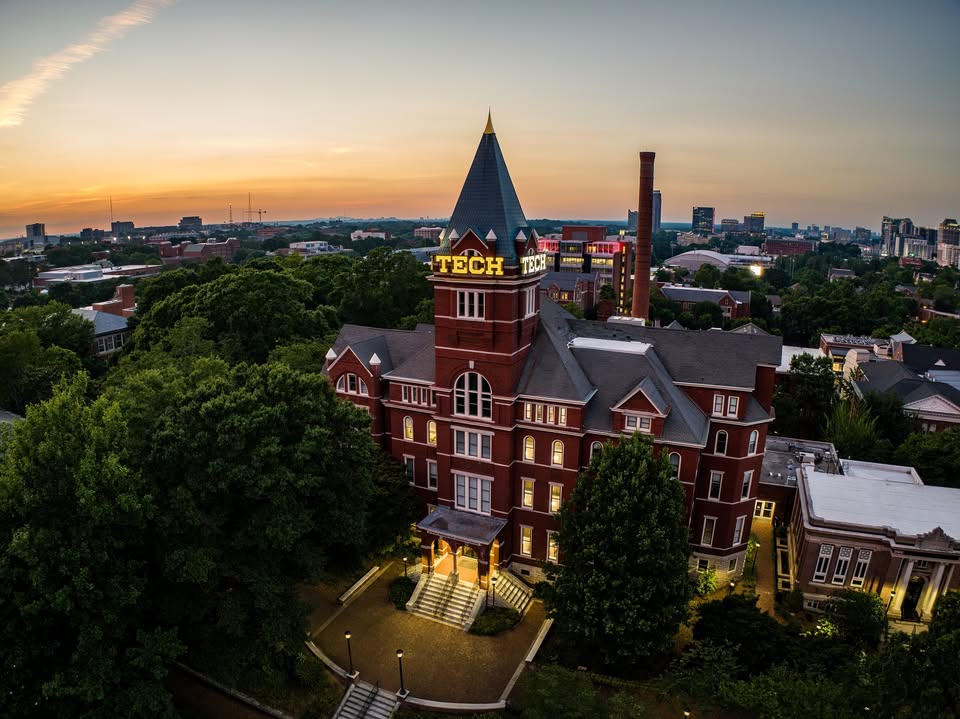
Photo Credits: Georgia Tech (Facebook)
At a cutting-edge research facility like the Environmental Science and Technology (ES&T) building at Georgia Tech, precise and reliable infrastructure is critical. Dealing with high-volume domestic hot water demands across hundreds of fixtures previously required sacrificing massive amounts of mechanical floor space to two large, inefficient tank-type water heaters. To modernize its system, support scientific operations, and drastically reduce energy waste, the Atlanta-based campus upgraded to a high-capacity tankless configuration.
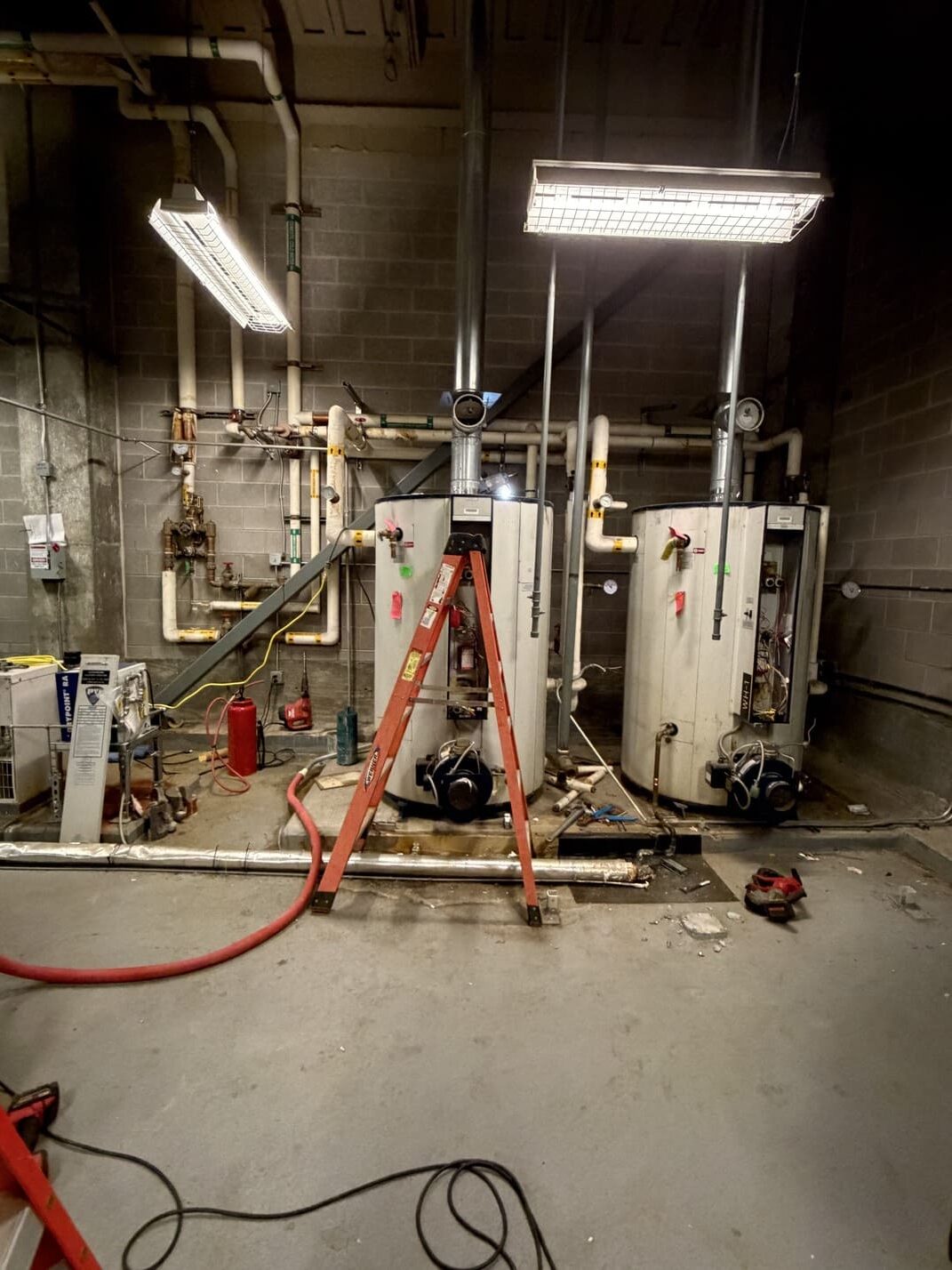
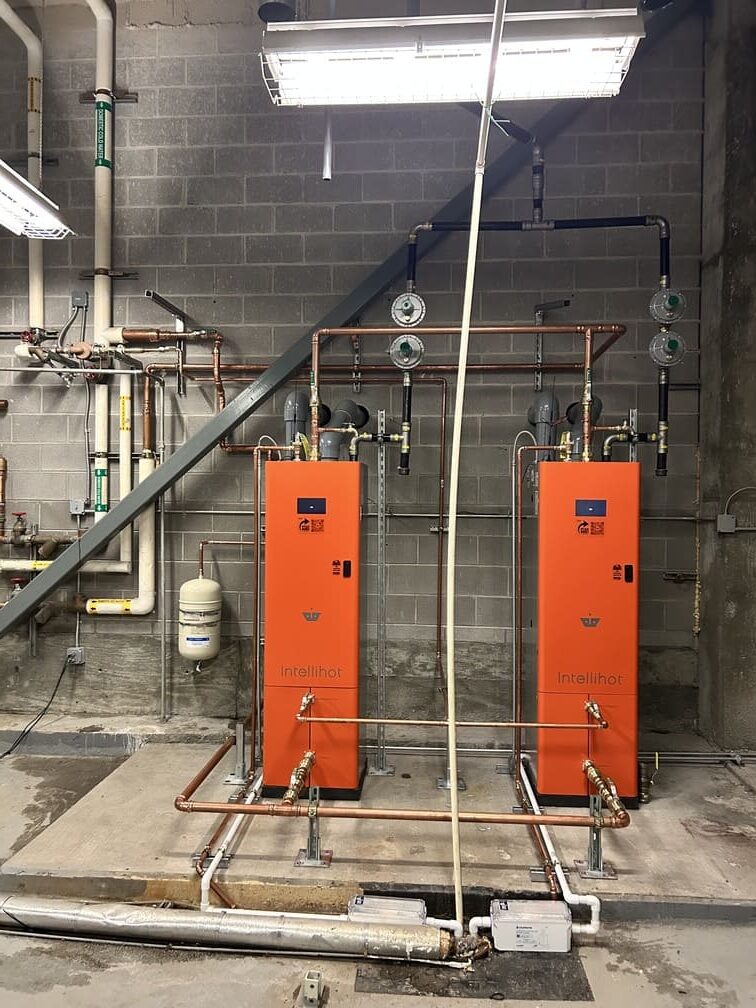
The stark visual difference in the before-and-after photos highlights exactly why this upgrade was so crucial for the university. The facility replaced the two space-hogging tanks with a pair of high-efficiency Intellihot iN501 units. Despite their compact footprint, these modern units deliver a combined heating output of over 1 million BTUs/hr.—more than enough to seamlessly supply the building’s demanding network of nearly 250 fixtures, which includes:
By utilizing Intellihot’s Masterless Cascading technology, the two iN501 units operate as a single intelligent system to handle this diverse and heavy load. When demand is low, only one unit activates to conserve energy. When the facility experiences a peak-load event—such as multiple autoclaves, showers, and lab sinks running simultaneously—the second unit effortlessly kicks in to share the burden.
This setup provides built-in redundancy, guaranteeing that routine maintenance will never disrupt the lab’s critical hot water supply. Ultimately, Georgia Tech successfully eliminated the continuous energy waste of heating stagnant water 24/7 while reclaiming valuable square footage in its mechanical room.